
Investing

9 Oct 2026
8 min read
Team mastertrust
How to Track Insider Trading Disclosures Before Investing

Key Takeaways:
- Disclosed dealings by Insiders - that complies with SEBI's PIT Regulations are different from dealings in securities - while in possession of unpublished price-sensitive information (UPSI), which is prohibited.
- Main sources for Insider Trading disclosures are BSE and NSE Websites and Investor Relations pages.
- Look at the pattern of transactions over time rather than reacting to a single filing.
- Use insider trading disclosure data as one part of your investment research, alongside fundamentals and sector context.
- Brokers like mastertrust may provide access to company filings and corporate announcements through their trading platforms and research tools.
How to Track Insider Trading Disclosures Before Making an Investment Decision
Ever wondered what company insiders are doing with their shares? Promoters, directors, and key employees buy and sell shares too, and by law, they have to disclose it under SEBI's applicable regulations.
If you invest in the stock market, these disclosures are a publicly available source of information on certain transactions by people associated with a company. However, the reason for a transaction may not be clear from the disclosure alone.
This blog covers what insider trading means, where to find these disclosures, and how to read them without jumping to conclusions. It is for educational purposes only and is not investment advice.
What Is Insider Trading?
Insider trading refers to the buying or selling of a listed company's securities by a person who has access to information about the company that is not available to the public. Under SEBI's PIT Regulations, an "insider" is a connected person or a person in possession of or having access to unpublished price-sensitive information (UPSI).
Transactions by promoters, directors, key managerial personnel, designated persons, their immediate relatives and other persons covered by the applicable disclosure requirements may be permitted when they comply with SEBI's PIT Regulations and other applicable rules. Certain transactions are required to be disclosed to the company and stock exchanges.
Insider trading is illegal when a person deals in securities while in possession of unpublished price-sensitive information (UPSI), such as an unannounced merger or quarterly results before official release. SEBI's can take action against such dealings under Prohibition of Insider Trading (PIT) Regulations and SEBI Act.
For someone focused on stock market investing, the useful part is tracking publicly disclosed transactions by company insiders and understanding the context behind those transactions.
Why Insider Trading Disclosures Matter to Investors
Promoters,directors and other designated persons may buy or sell shares for different reasons. A series of purchases or sales can provide additional information about changes in insider holdings, however, it does not indicate good performance in the future. Large-scale selling doesn’t necessarily indicate a negative situation.
It is useful to read these disclosures in addition to reading about the financial standing of the company as well as its industry performance. This is part of an effective investment strategy for the stock market.
Where to Track Insider Trading Disclosures
1. Stock Exchange Websites (BSE and NSE)
The BSE and NSE both publish insider trading disclosures filed by the listed companies under their corporate announcements section. These filings can be searched using details such as the company name or symbol, depending on the exchange's filing system.
2. SEBI's Website
SEBI also publishes insider trading regulations, enforcement matters, and circulars. This is the main source of the legal framework, and sometimes it makes orders against firms that breach the PIT guidelines.
3. Company Investor Relations Pages
Listed companies often publish corporate announcements, shareholding information and other regulatory disclosures on their Investor Relations or corporate-information pages. These pages can be useful for checking company-specific disclosures alongside the filings available on the stock exchanges.
4. Your Broker's Research and Reporting Tools
Several brokerages such as mastertrust offer you access to corporate filings through their respective trading portals. These tools can be used alongside the original exchange filings when reviewing disclosures.. If you're new to this, our guide on how to open a demat account covers getting your setup ready before you start monitoring such data.
5. Financial News Aggregators and Data Platforms
There are several platforms that collect the information on insider deals in a dashboard view and can filter them by size of the deal, by sector, or by type of promoter. It is convenient but advisable to verify the numbers against the stock exchange filing.
How to Read an Insider Trading Disclosure
A typical disclosure includes a few key fields:
- Name and category of the person — promoter, director, or designated employee
- Nature of transaction — buy, sell, or pledge of shares
- Number of shares and value involved
- Mode of acquisition — market purchase, ESOP exercise, or off-market transfer
- Date of transaction and date of disclosure
Examine the trend across several quarters rather than reacting to one filing alone. The reason behind an insider transaction may not be clear from the disclosure, so the transaction should be considered along with the person's existing holding, the size of the transaction and other company information.
Common Mistakes While Tracking Insider Trading
- Assuming every purchase is a buying signal. An insider may purchase shares for several reasons. The transaction alone does not establish the future performance of the company or its stock.
- Ignoring the size of the transaction relative to total holding. For example, selling 2% of a large holding is very different from selling half a stake.
- Overlooking the disclosure timeline. Regulations prescribe reporting timelines, so the transaction date and disclosure date aren't always the same.
- Using insider trading data in isolation, rather than alongside financial statements, sector trends, and company announcements as part of a broader stock market investing approach.
- Confusing publicly disclosed trades with illegal insider trading. The two differ entirely in intent and consequence, and mixing them up leads to poor conclusions.
How mastertrust Helps You Stay Informed
mastertrust provides access to company filings, corporate announcements, and research updates through its trading and demat platform. These resources can be used alongside stock exchange filings when reviewing insider trading disclosures and other company information.Along with tools to track disclosures, mastertrust keeps its charges simple: mastertrust charges Rs. 20/- per order for Stocks, F&O and Commodity plus applicable statutory charges and taxes.
mastertrust offers zero account opening with first year free demat AMC, with an option to get lifetime free demat AMC by paying a nominal one-time fee. Subject to terms and conditions.
Visit mastertrust to explore the research tools and start tracking company disclosures alongside your existing process.
Final Thoughts
Insider trading disclosures are not a foolproof system, but are one source of publicly available information for investors. They can show who has bought or sold securities, the nature and size of the transaction, and other relevant details. However, the reason behind a transaction may not be clear from the disclosure alone, so the information should be considered alongside the company's financials, announcements and broader market context.
Frequently Asked Questions (FAQs)
Is insider trading always illegal?
No, transactions done by promoters, directors, and designated persons that comply with SEBI's PIT regulations may be permitted. However, this becomes an illegal act if done on the basis of unpublished price sensitive information.
Where can I check insider trading disclosures for a specific company?
These can be verified on the BSE or NSE website, either under "Corporate Announcements" or on the "Investor Relations" page of the company concerned, or through your stock broker’s website if the facility is available.
Does insider buying guarantee that a stock will go up?
No. It's not a guaranteed indicator of stock performance. The transaction may have several possible reasons and should be considered along with other company and market information.
How quickly are insider trading disclosures made public?
The applicable regulations prescribe specific reporting timelines for transactions that meet the relevant disclosure requirements. The transaction date and disclosure date may therefore be different.
Can retail investors track insider trading without special tools?
Yes. Exchange sites are available for free. Broker research tools may also provide company filings and related information in their platforms, depending on the services offered.
Is insider selling always a warning sign?
Not always. A sale of the stocks may motivated by private reasons which have nothing to do with how the company is perceived in the future.
Share on:


RelatedBlogs
9 Oct 2026
Investing
Read MoreHow to Reactivate a Suspended or Inactive Demat Account
Learn how to reactivate an inactive demat account step by step, understand why accounts get suspended, and what documents you need to restart trading.
9 Oct 2026
Investing
Read MoreHow to Add or Remove a Joint Holder in a Joint Demat Account
Learn how to add or remove a joint holder from your joint demat account, what documents you need, and what changes for each demat account holder.
3 Oct 2026
Investing
Read MoreHow to Build a Custom Multi-Chart Layout on TradingView for Cross-Market Analysis
Learn how to set up TradingView charts in a multi-chart layout for cross-market analysis, compare instruments side by side, and understand the trading market.
1 Oct 2026
Investing
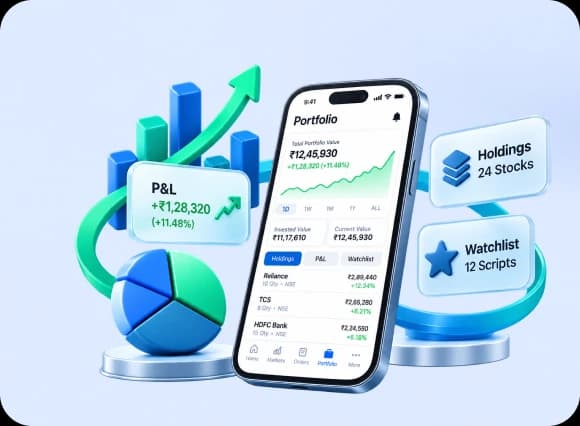
Read MoreHow To Track Your Portfolio In Real Time On The Agnik App
See how the Agnik trading app lets you check P&L, holdings and your watchlist in one view, so you always know where your money stands.
Subscribe for Newsletter
Share on:
Open a Free Demat Account with us only in few minutes
By processing, you agree terms & conditions.

Open a Demat Account in 5 minutes !

Step 01
Click on the button below to open your new account.

Step 02
Fill out some basic details to get started.

Step 03
Upload your documents to verify your account.

Step 04
Start trading within just 24 hours of registration.
Commonly Asked Questions
It is simple and paperless. Visit our website, enter your mobile number, and complete the e-KYC process to open a demat account instantly. Our digital onboarding ensures you can start investing in minutes without physical paperwork.
We unify speed, stability, and advanced tools in one place. Unlike basic apps, our ecosystem offers deep analytics, algo capabilities, and expert support, making us the preferred platform for trading for both beginners and professionals.
A demat account acts like digital storage for your shares and securities, while a trading account is the interface used to buy and sell them. At mastertrust, you get both linked seamlessly for a smooth investment experience.
With over 41+ years of market presence, we combine trust with modern technology. Our transparent pricing, personalised guidance, and regulatory compliance make us one of the preferred stock brokers in India for secure wealth creation.

Slide 1 of 1